The thing nobody was looking at
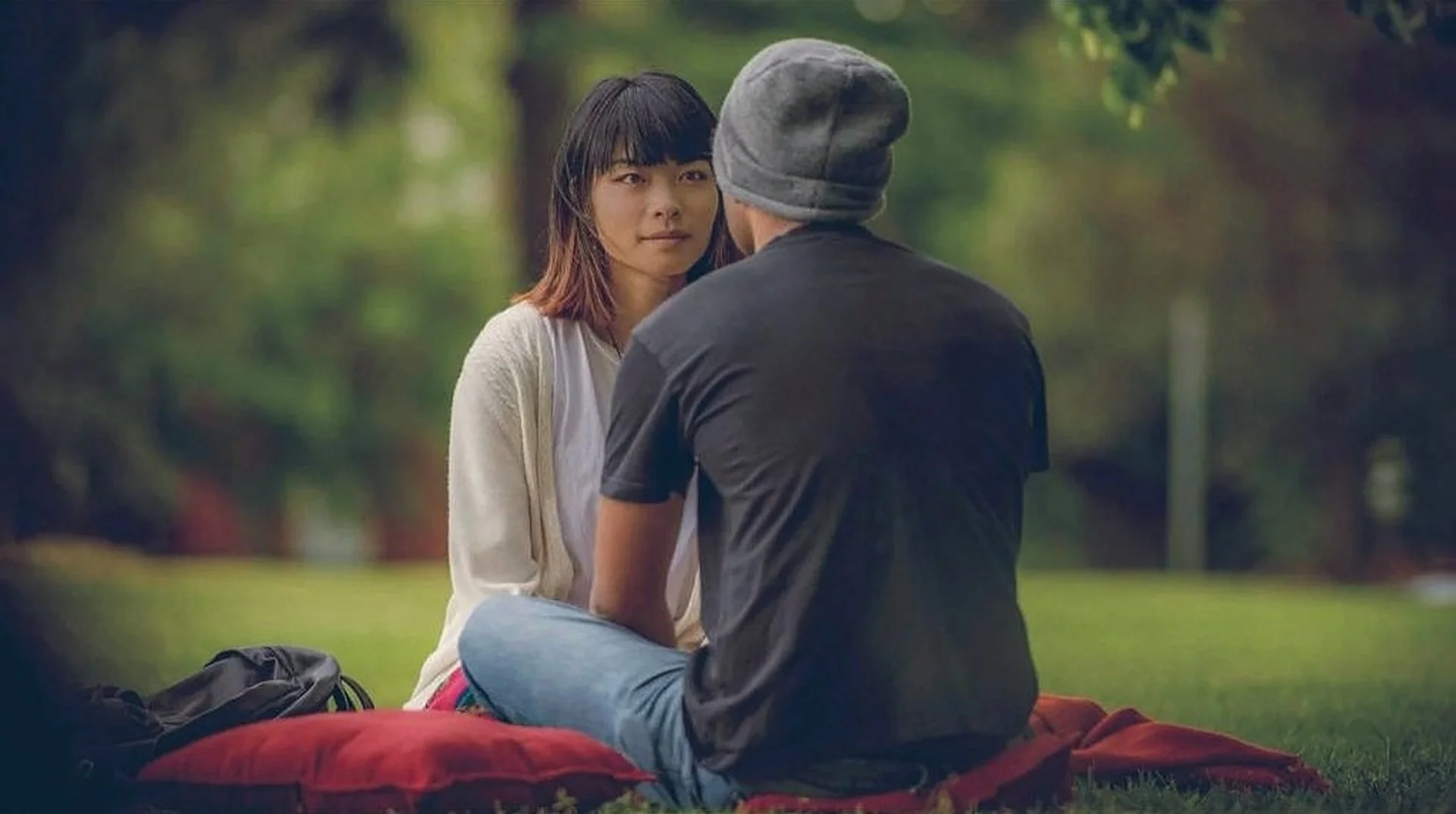
Igor Kreyman grew up in Sydney, and he kept noticing the same thing. People couldn’t hold eye contact. On the train, at the counter, halfway through a conversation, their eyes slid away, usually down to a phone.
Long before anyone was talking about screen addiction or a loneliness epidemic, he was saying it out loud: social media was pulling people apart. Harvard’s 85-year study of adult development had found that the quality of our relationships shapes the quality of our lives. If that was true, something important was quietly going missing.
Where it began
Marina Abramović: In Residence. Sydney, 2015.
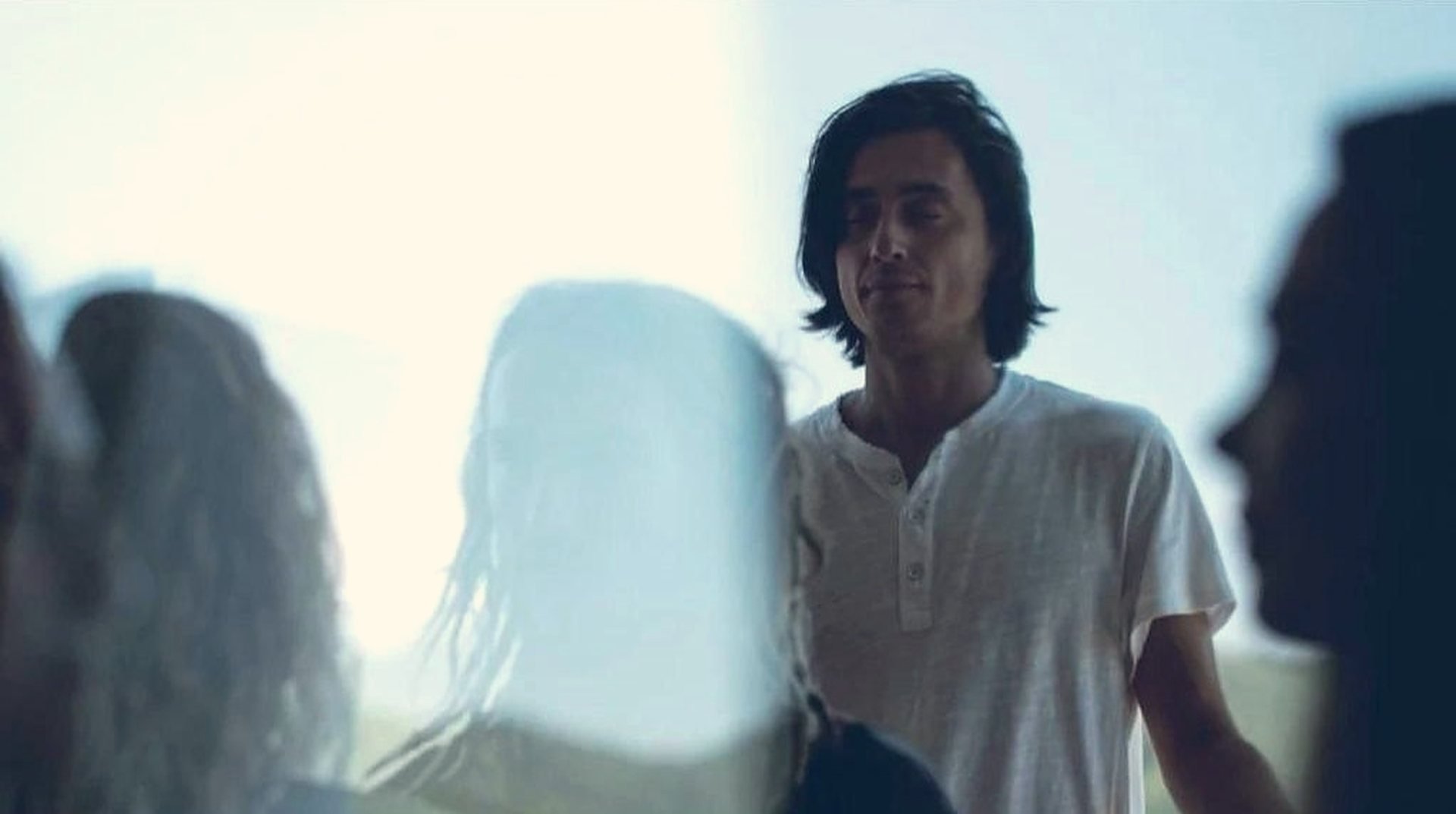
Igor, a NIDA-trained actor, was working on the Kaldor Public Art Project. He was supporting artist George Khut with one of his alpha brainwave exercises when Abramović herself came over, curious about who he was.
That day, he went downstairs and tried eye gazing for the first time. He came back for three days straight, spending hours sitting opposite strangers. Each time, another layer of the masks he hadn’t known he was wearing fell away.
Less than a year later, he brought it to Hyde Park.
The magic of the parks
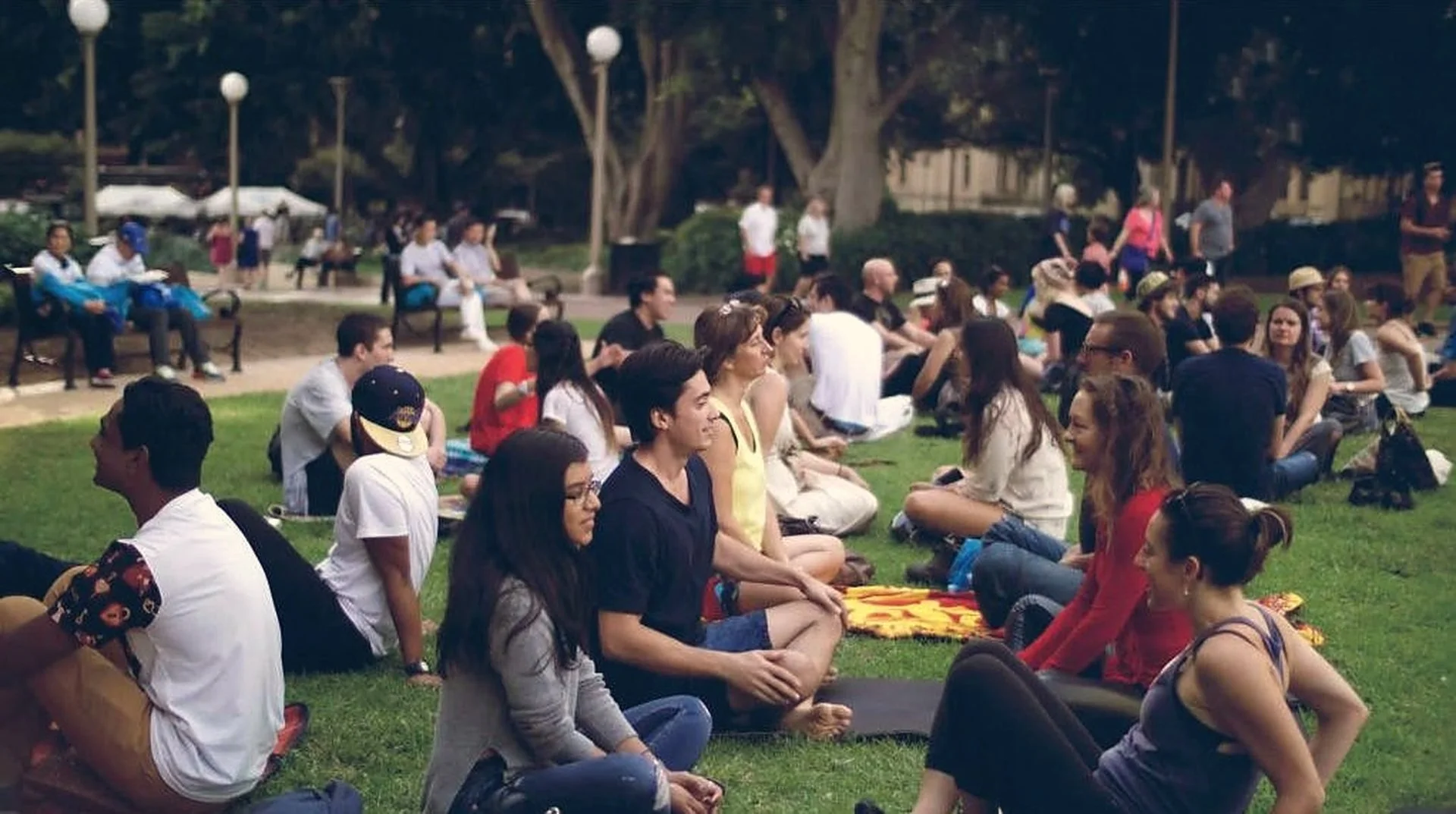
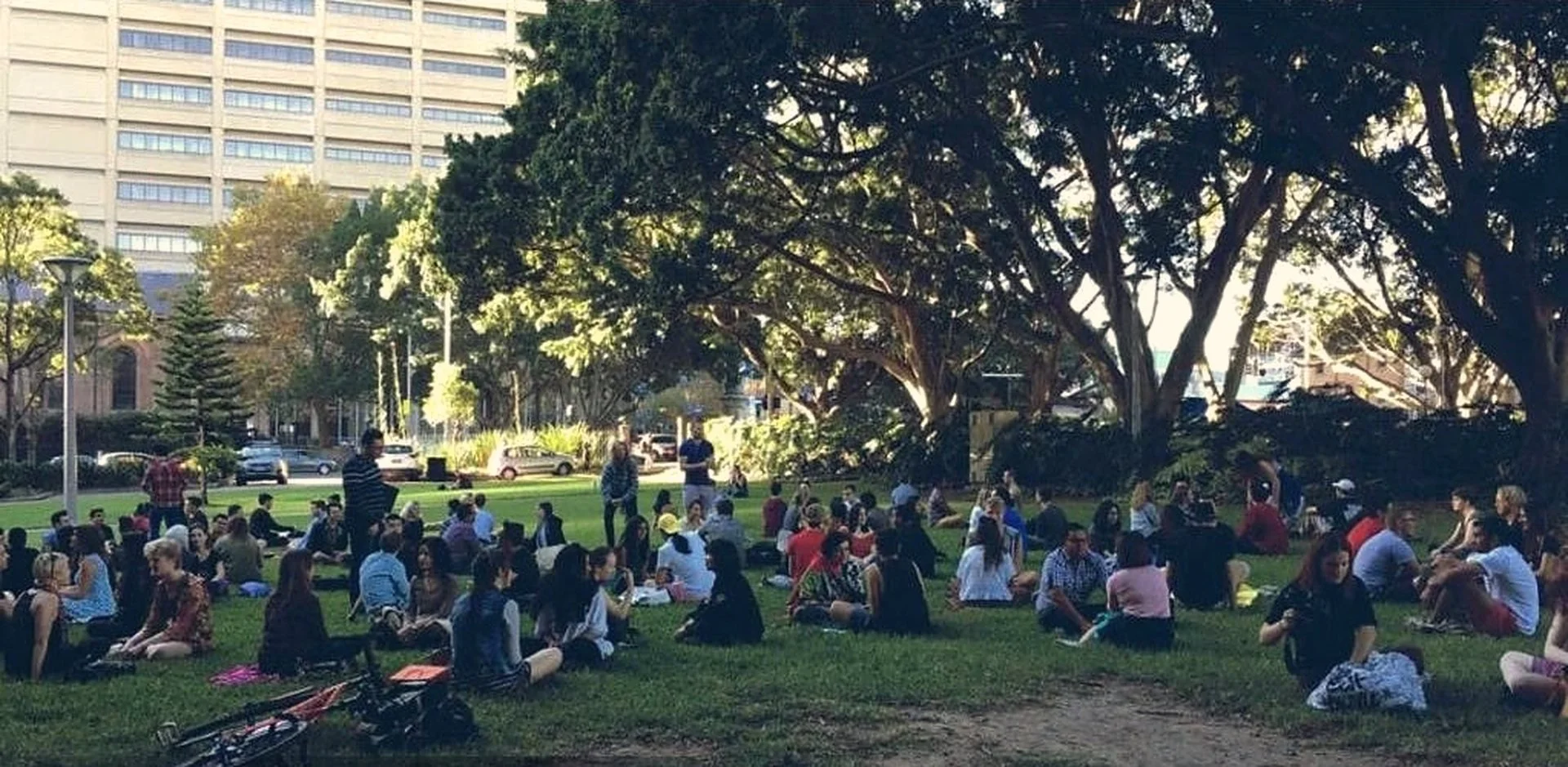
There was nothing polished about it. Pairs of strangers sat on the grass in the middle of the city while joggers and office workers streamed past.
The traffic never stopped. Church bells rang out across the park. People walking by would stop, watch for a minute, then sit down and join in. It was raw and a little wild, and everyone there could feel it.
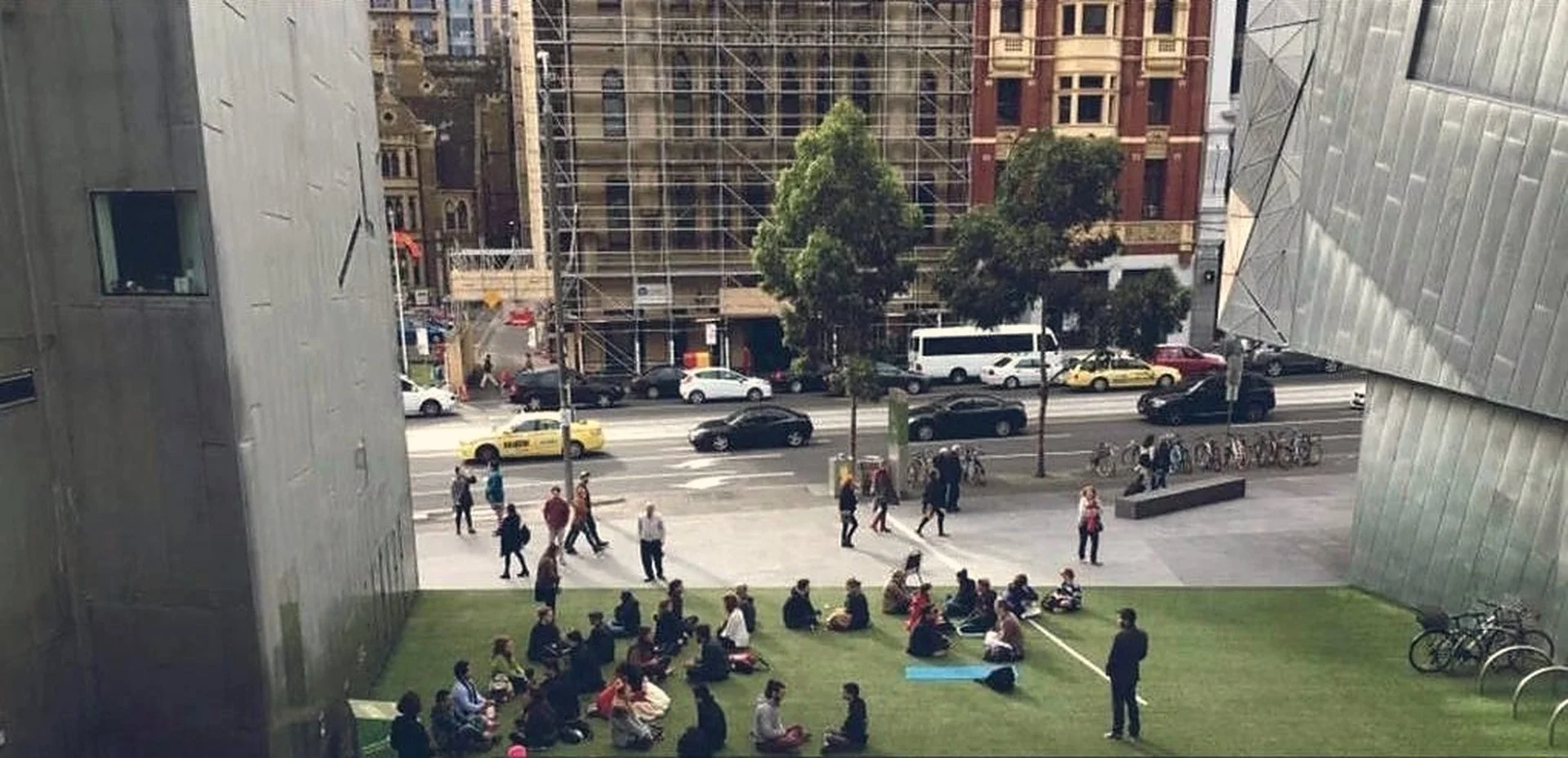
Halfway through, around a hundred bikies rode through the square, engines roaring.
Not one pair broke eye contact.
For all that wildness, every gathering was run with real care. Tens of thousands of strangers took part over the years, and there was never a single complaint.
It spread on its own
No budget. No headquarters. Within a year, it was global.
Igor never had a marketing budget or an organisation behind him. He didn’t need one. People came once, then asked how to run it in their own city.
Volunteers started gatherings across Australia, then overseas. Igor travelled the country to support them, and at Conference Festival he led a single gathering of 500 people. In total it reached 20 countries, with more than 400 gatherings and over 50,000 participants.
What they said
“Eye-gazing is an undeniable shortcut to human connection.”
“A recent Australian phenomenon.”
“We forget to look at each other.”
“Almost like a portal open up.”










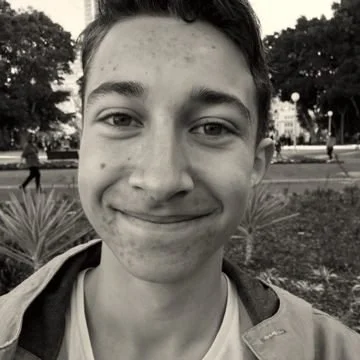
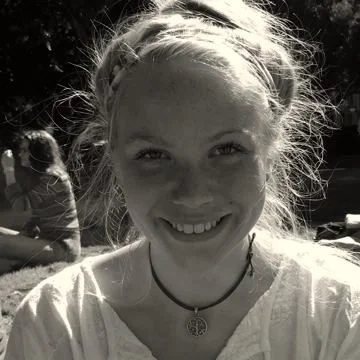
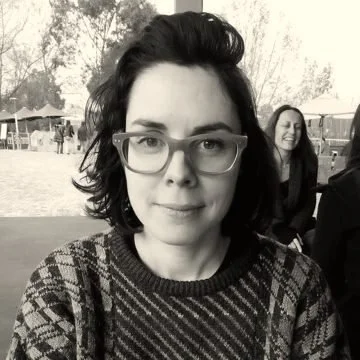
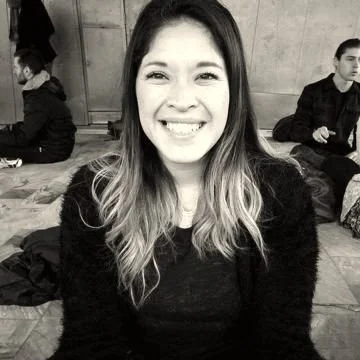
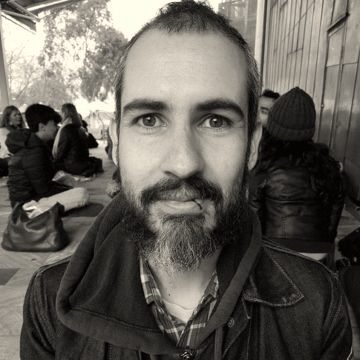
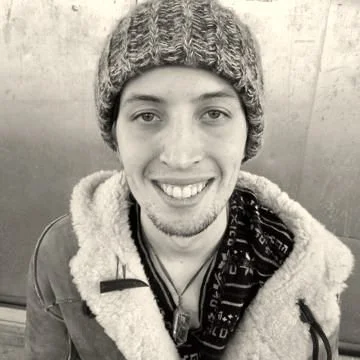
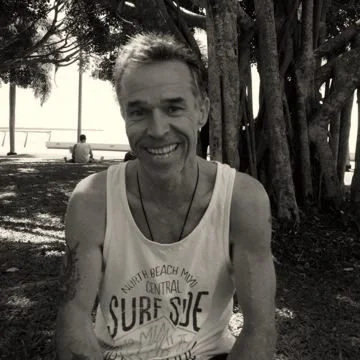
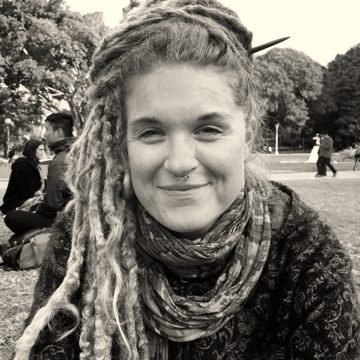
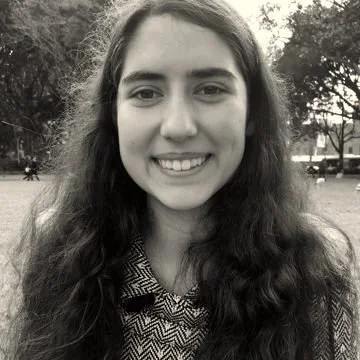
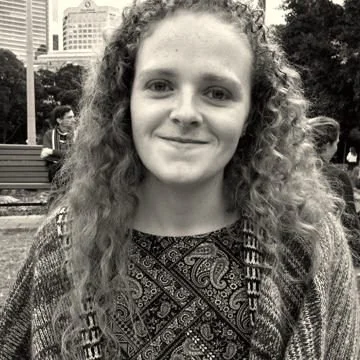
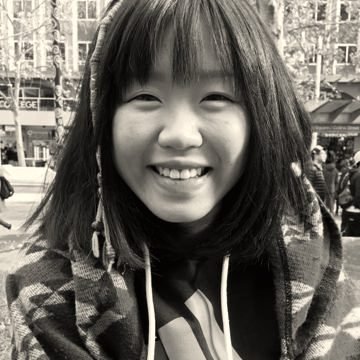
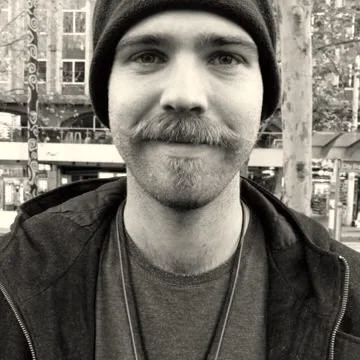
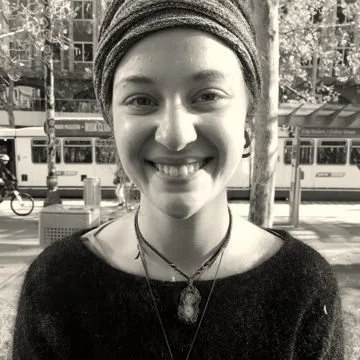
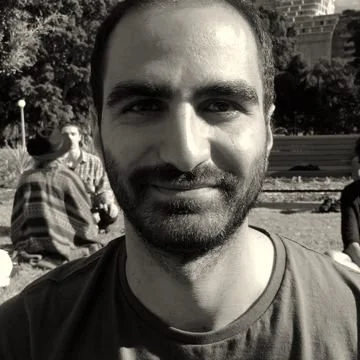
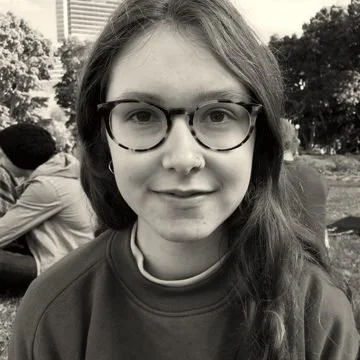
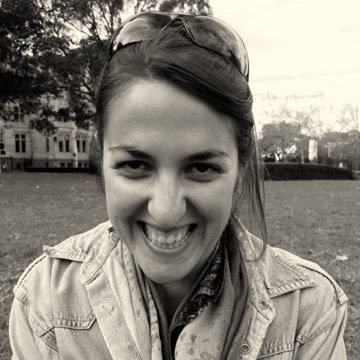
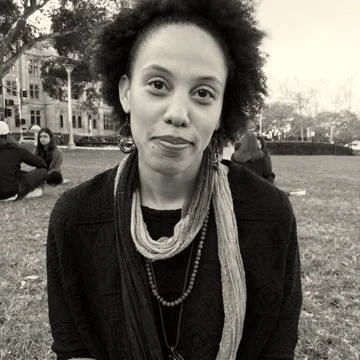
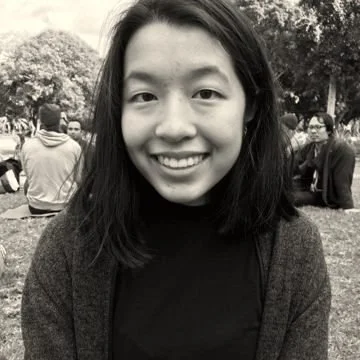
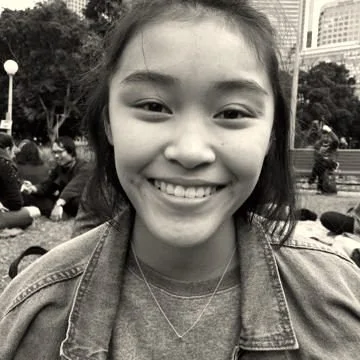
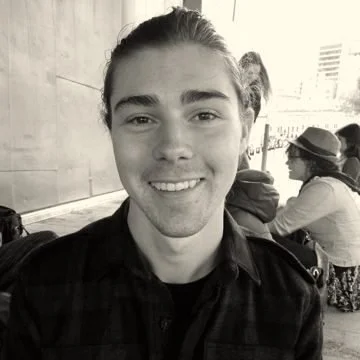
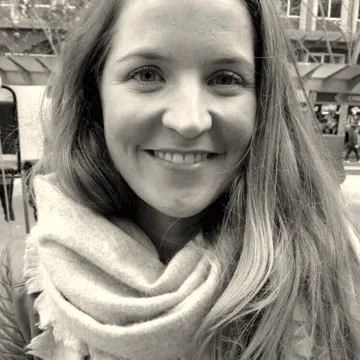
Tens of thousands of strangers. This is what they saw.



Going deeper
Three hours. Twenty strangers. A different kind of closeness.
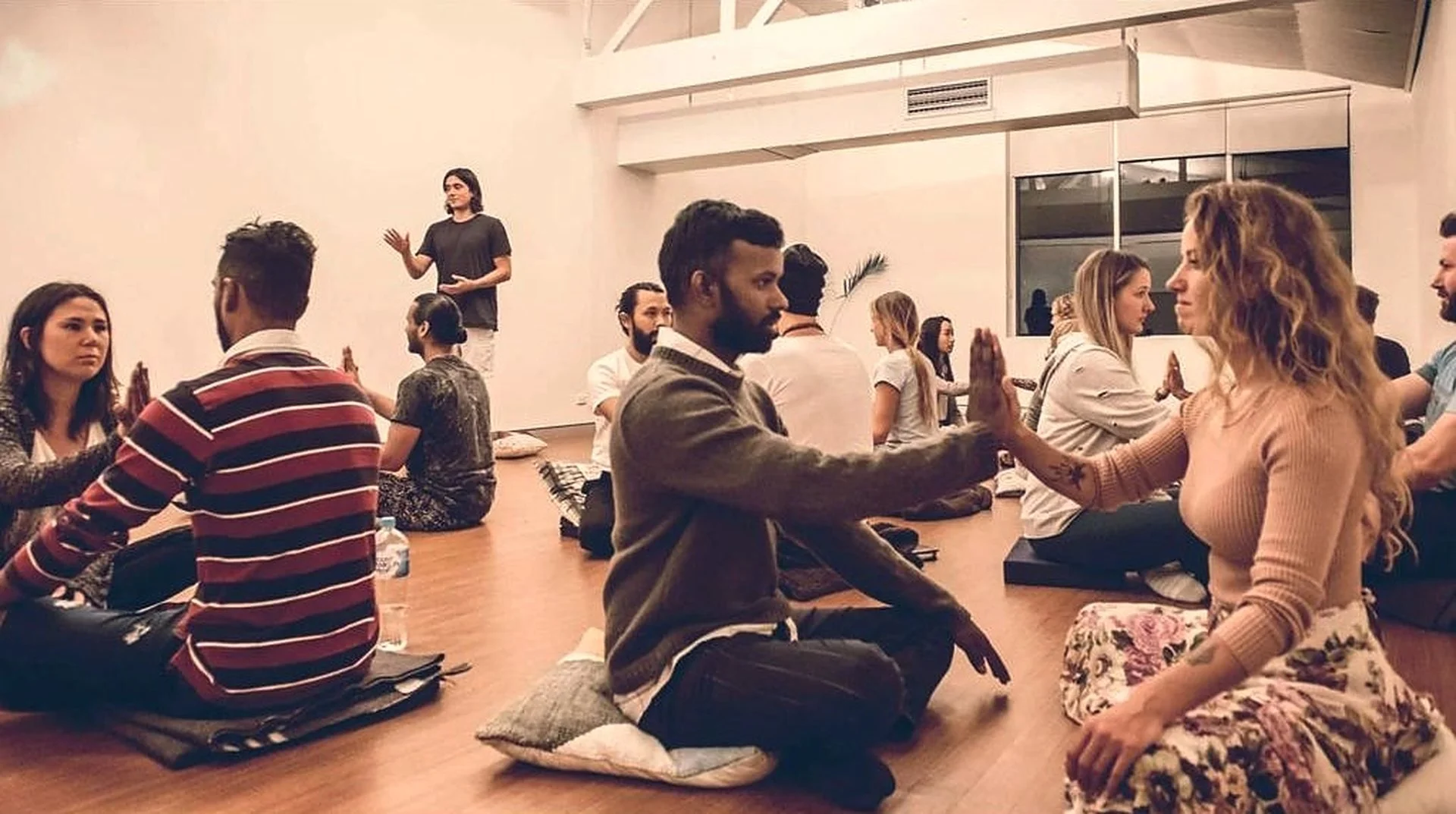
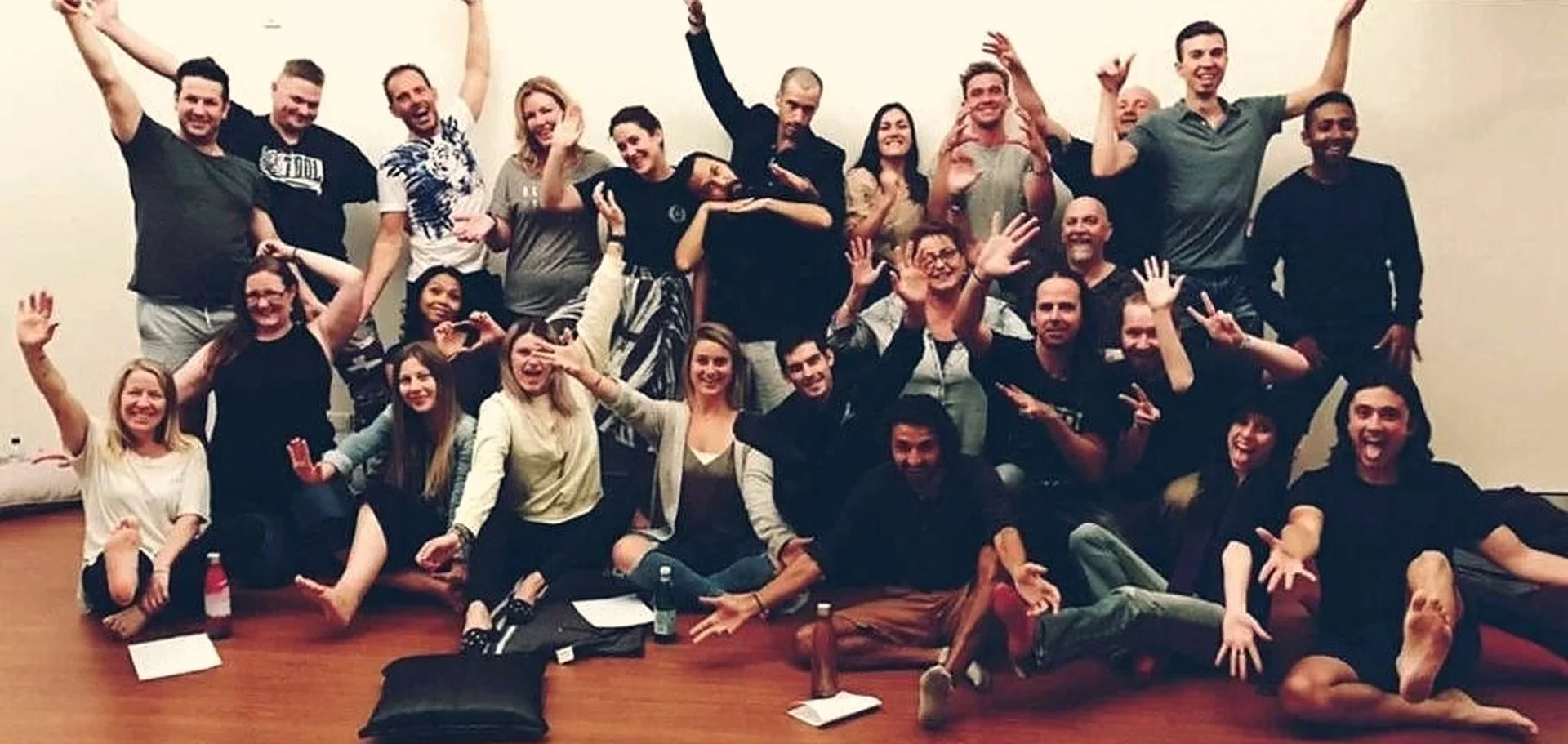
As the movement grew, Igor began running private, paid workshops: 20 to 30 people at a time, for three hours. That gave him room to take people much further than a few minutes on the grass, guiding them through a range of exercises that explored connection from different angles.
Again and again, people told him they had felt closer to a stranger in that room than to their own partner or family. With no shared history and no reason to stay guarded, they could meet each other directly. Many left with a reference point for connection they’d never had before. And they always left energised.
Into schools and business
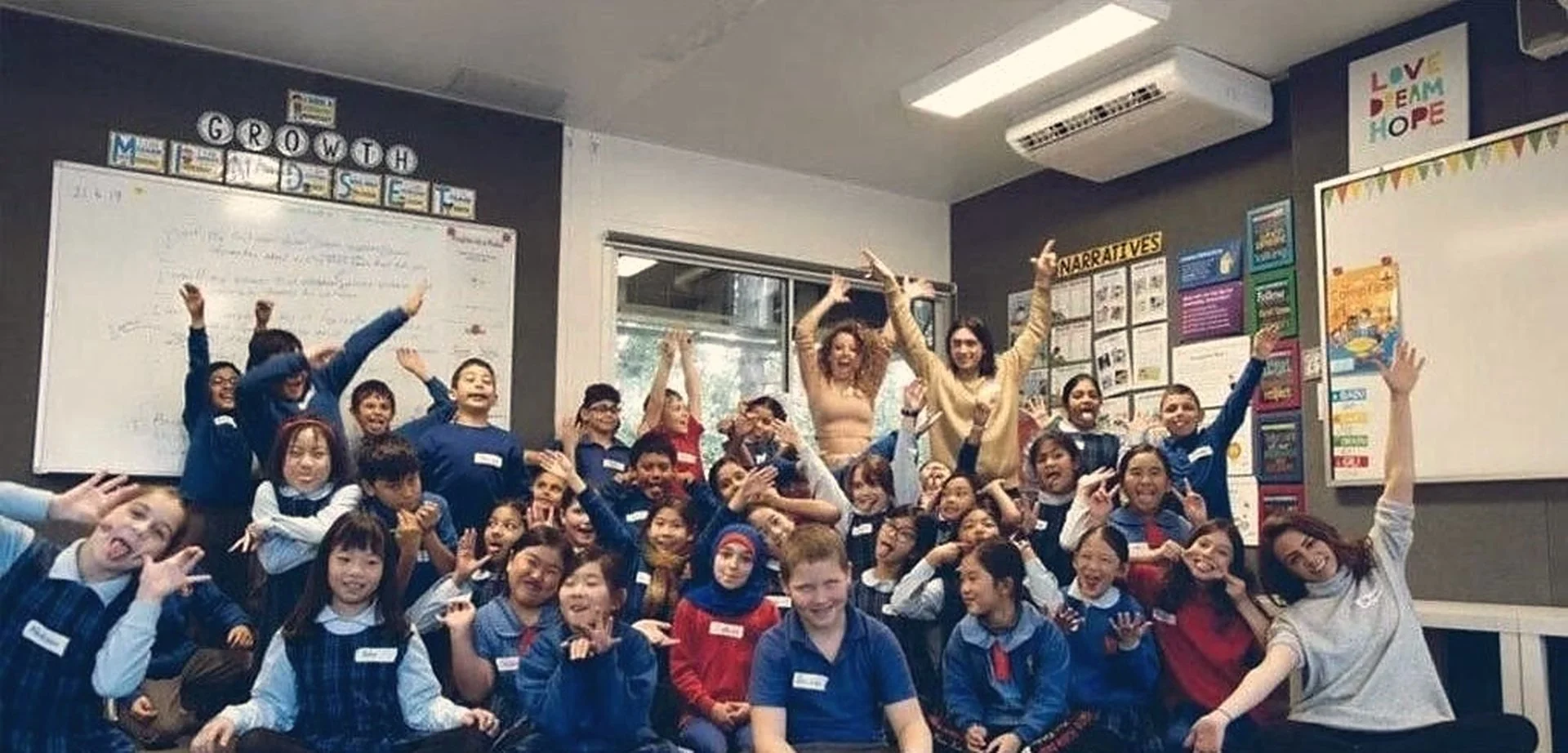
From primary school classrooms to one of the world’s largest companies.
The work went on to reach primary school children, and the corporate world, with CBRE, one of the world’s largest commercial real estate companies, as its main partner.






The world caught up
The movement got there first. Science and the world’s health authorities followed.
Marina Abramović and neuroscientist Suzanne Dikker record the brainwaves of pairs holding each other’s gaze, showing the moment they fall into sync.
Igor experiences eye gazing for the first time at Marina Abramović: In Residence, Sydney.
Hyde Park. He hopes for thirty; more than a hundred come. A month later, three hundred.
The Guardian describes how staring at strangers became a global movement.
Dikker’s classroom study: eye contact between students brings their brains into step.
Private three-hour workshops begin, followed by schools and corporate work.
The US Surgeon General declares loneliness an epidemic.
The World Health Organization links loneliness to 871,000 deaths a year.
Researchers find that when two people sit face to face in silence, simply able to see each other, their heart rates synchronise.
Social media has only tightened its grip, and now AI is competing for our attention too. The question Igor asked in Hyde Park matters more now than it did in 2016.
What it became
Over the years, The Human Connection Movement became a real-world experiment in human connection on a scale few have attempted: tens of thousands of strangers across 20 countries, in parks, festivals, classrooms and boardrooms.
Out of it came something rare: a deep, practical understanding of what lets people drop their guard and connect, and how to create the conditions for it to happen. Today Igor brings that understanding to organisations, places and communities.
Igor Kreyman · Founder
NIDA-trained actor · Feature film credits including One Less God · Studied with John Kirby and Elizabeth Kemp of the Actors Studio, New York · Marina Abramović: In Residence, Sydney 2015